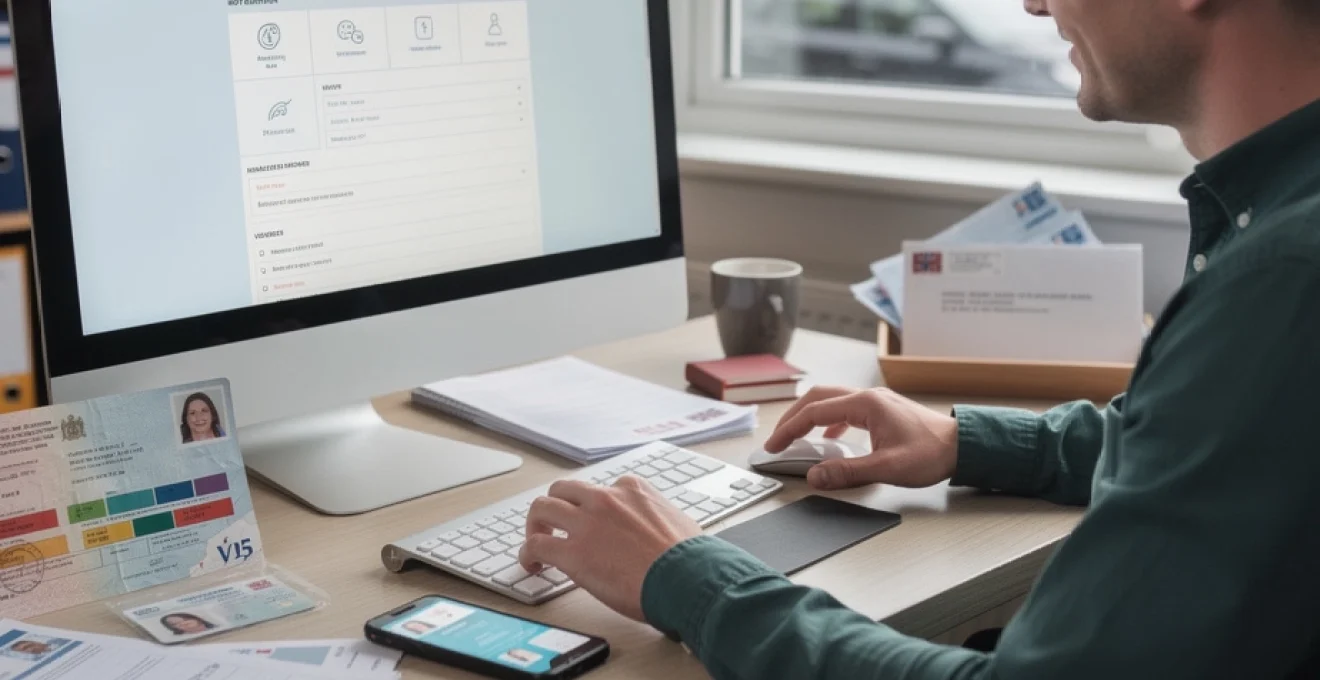
For many drivers across the UK, tracking down a comprehensive list of every vehicle they’ve owned can prove surprisingly challenging. Whether you’re reminiscing about past motors, settling an insurance dispute, or simply trying to piece together your automotive history, the Driver and Vehicle Licensing Agency (DVLA) holds the keys to this information. Yet, navigating the DVLA’s systems to retrieve historical vehicle ownership records isn’t always straightforward, and many motorists remain unaware of the proper channels available to them.
The DVLA maintains extensive databases containing details about every registered vehicle and licensed driver in the United Kingdom. However, accessing your complete ownership history requires understanding the specific processes, forms, and limitations inherent in the DVLA’s data protection framework. With recent changes to digital services and evolving data privacy regulations, knowing exactly how to request this information has become increasingly important for those seeking to reconstruct their vehicular past.
Understanding your options—from online portals to postal applications—can save considerable time and frustration. The methods available range from quick digital checks to formal written requests, each with distinct advantages, processing times, and costs. While some information is readily accessible within minutes, other historical data may require patience and proper documentation to obtain.
Understanding the DVLA vehicle registration certificate (V5C) retrieval system
The V5C document, commonly known as the vehicle logbook or registration certificate, serves as the primary record of vehicle keeper information in the UK. This crucial document contains comprehensive details about the vehicle’s specification, tax status, and keeper history. When you register as the keeper of a vehicle, the DVLA issues a V5C in your name, creating an official record that links you to that particular motor at a specific point in time.
The V5C displays the number of previous keepers prominently on the front page, though this figure represents only those who held the vehicle before the current registered keeper. Understanding this distinction proves vital when assessing vehicle history—a car showing “2 previous keepers” actually has three keepers in total when you include the current owner. This seemingly minor detail can significantly impact resale value and buyer perception, particularly for vehicles approaching the threshold of four or more previous keepers, which industry data suggests become substantially harder to sell.
Each time a vehicle changes hands, a new V5C should be issued reflecting the updated keeper details. The DVLA records the date of every V5C issue, creating a chronological trail of keeper changes. However, it’s essential to note that the registered keeper isn’t necessarily the legal owner of the vehicle. The keeper is the person responsible for taxing and maintaining the vehicle’s roadworthiness, while the owner holds the legal title—a distinction that matters particularly for company cars, lease vehicles, or motors purchased through finance agreements.
The DVLA’s V5C system underwent significant digitisation in recent years, with electronic records now maintained alongside physical documents. This modernisation enables faster processing of keeper changes and more efficient data retrieval, though it hasn’t fundamentally altered the information available through standard channels. Historical keeper records typically extend back to the vehicle’s first registration, creating a complete lineage that can span decades for older motors.
Accessing your DVLA driver record through the official gov.uk portal
The Government Gateway portal represents the primary digital interface for accessing DVLA services, including limited aspects of your driver and vehicle history. This secure online platform enables registered users to view current information about their driving licence, check vehicle details, and manage various administrative tasks without postal correspondence or telephone calls. For those comfortable with digital services, the Gov.uk portal offers the fastest route to certain types of DVLA data.
However, it’s important to establish realistic expectations about what the online portal can and cannot provide regarding your ownership history. While you can readily check details about vehicles currently registered in your name, obtaining a comprehensive list of all motors you’ve previously owned requires a different approach entirely. The digital service excels at present-day information but wasn’t designed as a historical archive retrieval system for personal vehicle ownership records spanning multiple years or decades.
Creating and verifying your government gateway credentials
Establishing access to DVLA online services begins with creating a Government Gateway account, a unified login system used across numerous UK government digital platforms. The registration process requires basic
personal details, such as your full name, date of birth and National Insurance number, along with security questions to verify your identity. Think of this as the digital equivalent of showing your passport at a DVLA counter – it proves you are who you say you are before any driving or vehicle data is displayed. You’ll also need access to your email and mobile phone, as multi-factor authentication codes are typically sent during login to protect your DVLA driver record from unauthorised access.
Once the basic Government Gateway account is created, you must link it to DVLA services by confirming information from your driving licence. This usually includes your driving licence number, the postcode on your licence and the type of licence you hold. If the details you enter don’t match DVLA records exactly, the system may block access until your identity can be confirmed through alternative checks. It’s worth double-checking spelling, address formatting and licence numbers in advance to avoid these common authentication snags.
After successful verification, your Government Gateway credentials become your main login for DVLA online services going forward. You can return at any time to view your driving licence record, check vehicles currently registered to you and perform other digital tasks such as renewing a licence or updating your address. While this won’t yet generate a full historical list of cars you’ve owned, it establishes the secure foundation you’ll need for any further data requests relating to your motoring history. In many cases, simply confirming which vehicles are presently in your name is a useful starting point before drilling into older records.
Navigating the DVLA driver enquiry service interface
Once logged in, you’ll access the DVLA driver enquiry or “View your driving licence information” service via the main Gov.uk menu. The interface is deliberately stripped back, favouring clarity over complexity, but it still helps to know where to look. You’ll typically see your current licence categories, any penalty points, disqualifications and basic personal details. Alongside this, links are provided to related services, such as checking a vehicle’s tax or MOT status using its registration number.
Where does this help with finding a list of cars you’ve owned via the DVLA? Primarily, the online tools allow you to confirm which vehicles are currently on the DVLA database in your name by cross-checking registration numbers you still remember. You can enter those registrations into the “Get vehicle information from DVLA” or MOT history checker to make sure the records are live and correct. This is particularly handy if you suspect a vehicle you sold is still showing as registered to you, which can lead to council fines or enforcement letters landing on your doorstep.
However, you won’t find a dedicated “My vehicles since 1995” button on this interface. The system is designed for real-time data, not to act as a timeline of your driving life. In practice, the driver enquiry tools work best when combined with your own records – old insurance certificates, finance agreements and photographs that show number plates. By confirming each remembered registration using the DVLA vehicle check tools, you can gradually rebuild your personal log of past cars before moving on to formal historic keeper requests.
Interpreting vehicle keeper history data on your V888 document
To go beyond what you can see online, you’ll generally need to submit a V888 form and then interpret the keeper history information that the DVLA returns. When the response arrives, it may include a timeline of keepers, usually listing dates when each registered keeper acquired and disposed of the vehicle, along with limited address information. For privacy reasons, DVLA will often redact or withhold full names and addresses unless you’ve demonstrated a clear “reasonable cause” under their guidelines. Even so, the pattern of dates alone can be very revealing when you’re reconstructing a vehicle’s life story.
How does this help you build a list of cars you’ve owned via the DVLA? If you apply for data on vehicles you know were once registered in your name, the V888 response should confirm the exact period you were recorded as keeper. Think of it like a bank statement for your motoring history, with each entry marking when a particular car passed through your hands. For classic or long-owned vehicles, these records can stretch back many years, offering a robust evidence trail for insurance, restoration or valuation purposes.
Keep in mind that the V888 data reflects “registered keepers”, not necessarily legal owners. For example, if you had a company car that was registered in your employer’s name, you may not appear on the keeper history at all. Likewise, vehicles leased through finance providers can show the leasing firm as keeper rather than you. When reading the V888 document, you’ll want to cross-reference dates and models against your own recollection, insurance history and any paperwork you still hold to make sure the picture of your car ownership is as accurate as possible.
Resolving authentication issues with DVLA online services
In some cases, you may hit roadblocks when trying to access DVLA services online, especially if your personal details have changed over the years. A common stumbling block is a mismatch between the address on your driving licence and your current residential address. Because the DVLA systems rely on exact matches, even minor differences in spelling or postcode formatting can cause authentication to fail. If this happens, you may be temporarily locked out or asked to provide extra information.
So what can you do if you’re stuck in an authentication loop while trying to view your DVLA driver record? First, check that your driving licence details are fully up to date; if you’ve moved house, you should update the address on your licence via the Gov.uk service before trying again. Second, make sure the National Insurance number and personal details you’re entering match those held by HMRC and other government systems – the Government Gateway checks against multiple data sources. If problems persist, the platform usually offers a recovery route using postal verification codes or security questions based on your credit file.
Occasionally, long-standing motorists who passed their test decades ago may discover that their old paper records don’t align neatly with modern digital systems. In such cases, it may be necessary to contact DVLA directly by phone or post to resolve identity conflicts before you can proceed. While this can feel frustrating, resolving these verification issues is a worthwhile step if your ultimate goal is to assemble a reliable list of vehicles you’ve owned via the DVLA. Once your identity is firmly established in the online system, future requests and checks typically run much more smoothly.
Requesting historical vehicle ownership records via DVLA V888 form
If your aim is to obtain a formal list of vehicles you’ve owned, or at least detailed information about specific cars from your past, the DV888 form is your primary tool. Unlike quick online checks, a V888 request is a structured, paper-based application that prompts DVLA staff to search their archives for the information you’ve asked for. It’s particularly useful when you need documentary proof of your connection to a vehicle in a particular time period – for instance, during an insurance dispute or a legal claim.
The DVLA distinguishes between requests about vehicles that are currently registered to someone else and those that were previously registered in your name. When you’re trying to find your old car or confirm a historical keeper period, that distinction is crucial. By using the right option on the V888 form and providing a clear, legitimate reason for your request, you improve the chances that DVLA will release as much information as they’re legally allowed to. Although data protection rules limit what can be shared, well-prepared V888 applications often return useful keeper history details, including dates and DVLA reference numbers.
Completing the V888 application for vehicle information
The V888 form, titled “Request by an individual for information about a vehicle”, is available to download from the official Gov.uk website or can be requested by post. When you’re trying to compile a list of cars you’ve owned via the DVLA, you’ll normally use Option B on the form – this is specifically for requests about a vehicle that was previously registered in your name. Option A, by contrast, is geared towards requests about vehicles currently registered to someone else and requires a stronger justification under “reasonable cause” criteria. Choosing the wrong option can slow your application or lead to a refusal.
To complete the V888, you’ll need to provide as many details as possible about the vehicle in question. At a minimum, this includes the registration number, make and model, plus any approximate dates you believe you were the registered keeper. The more accurate your information, the easier it is for DVLA staff to locate the correct records in their database. Treat it a bit like filling in a job application form: clear, neat and complete answers tend to produce better results than vague or incomplete information.
You’ll also be required to state why you’re requesting the data. Common reasons include resolving a motoring offence, tracing the history of a classic car or confirming your keeper status for insurance or legal purposes. While simple curiosity about your motoring past is understandable, it may not always meet the DVLA’s threshold for releasing detailed keeper data. When your goal is to build a list of cars you’ve owned via the DVLA, focus on practical justifications such as verifying records, challenging fines or supporting a claim – these tend to be looked upon more favourably.
Postal submission requirements and processing timeframes
Once the V888 form is completed, it must be sent by post to the address specified on the document, typically DVLA, Swansea. You’ll need to include photocopies of proof of your current address, such as a recent utility bill or bank statement dated within the last three months. These supporting documents help the agency confirm that you are the person linked to the driving licence or keeper records in question. Originals are not usually required, but you should follow the latest guidance on Gov.uk in case requirements change.
Allowing sufficient time for processing is important, especially if you’re working to a deadline for a court case or insurance claim. DVLA guidance often suggests that V888 requests can take up to four weeks to process, although timescales may vary depending on workload and the complexity of your request. During busy periods, such as after major legislative changes or system updates, turnaround times may lengthen. If you need information urgently, it’s wise to submit your V888 as early as possible and avoid relying on last-minute responses.
When the response arrives, it will usually be sent via standard post to the address you provided. If DVLA has declined to release certain information, they should explain the reasons, such as data protection constraints or an insufficient demonstration of reasonable cause. Remember that each V888 relates to a specific vehicle; if you’re trying to compile a long list of cars you’ve owned via the DVLA, you may need to submit multiple forms over time, prioritising the vehicles where documentary confirmation is most critical.
Understanding V888 response limitations and data scope
Although many motorists hope that a single V888 request will produce a neat printout of every car they’ve ever owned, the reality is more nuanced. DVLA responses are vehicle-specific rather than person-specific, meaning each V888 request focuses on the history of one registration number. The agency does not routinely provide a global list of every vehicle ever linked to your name in one go, partly for technical reasons and partly due to data protection controls. In other words, there is no “export my full car history” button hidden behind the V888 form.
The data you receive will usually include dates of keeper changes, the number of previous keepers and sometimes partial address information for other keepers, depending on the reason you gave for your request. Full names and addresses of past keepers are rarely disclosed unless you can demonstrate a compelling legal or safety reason. When you’re simply trying to confirm your own periods of ownership, you’ll mainly rely on date ranges and vehicle identifiers such as VINs and registration numbers. These details can still be very powerful when you’re matching DVLA records against your personal paperwork.
It’s also important to understand that DVLA does not keep every type of record indefinitely. While vehicle registration and keeper history data tends to be retained for many years, some ancillary information may be archived or deleted after certain legal retention periods expire. As a result, extremely old vehicles or those scrapped many years ago may have limited data available. When your goal is to reconstruct a lifelong list of cars you’ve owned via the DVLA, combining V888 responses with MOT archives, insurance records and personal photos often gives a fuller picture than relying on one source alone.
Associated fees and payment methods for DVLA archives
Submitting a V888 request to trace your old cars is not free, although the cost is relatively modest compared with commercial vehicle history checks. At the time of writing, the fee for a standard V888 request from an individual is typically around £5 per vehicle, but you should always confirm the current charge on the official Gov.uk site before applying. This fee contributes to the administrative cost of retrieving and processing historical records, which often involves manual checks by DVLA staff. If you’re planning multiple requests, the total cost can add up, so it’s sensible to prioritise the vehicles that matter most.
Payment is usually made by cheque or postal order made payable to “DVLA, Swansea”, and must be included with your completed V888 form. Some versions of the guidance may allow card payment details, but this can change, so you should follow the instructions on the most recent form. If the fee is missing or incorrect, your application may be returned or delayed while DVLA seeks clarification. Treat the payment section with the same care you’d give to the rest of the form – it’s a small but critical step in successfully accessing DVLA vehicle history data.
When you weigh up the fee against the value of the information gained, it often represents good value, especially if you’re using the data to protect yourself from wrongful fines or support a legal dispute. Commercial providers can charge many times more for vehicle checks that, in part, rely on the same underlying DVLA data. By going directly to the source with a properly completed V888, you maintain more control over the process and can tailor your requests to the specific details you need about your past cars.
Utilising DVLA’s view driving licence information digital service
Alongside the Government Gateway interface, the DVLA offers a dedicated “View your driving licence information” service on Gov.uk. This online tool is designed to give you a clear snapshot of your current driving status, including categories you’re entitled to drive, any endorsements or penalty points and the licence expiry date. While its primary function isn’t to list cars you’ve owned, this digital service plays an important supporting role in confirming your identity and ensuring your personal details are fully aligned with DVLA records before you submit any deeper historical requests.
To use the service, you’ll need your driving licence number, National Insurance number and the postcode on your licence. Once logged in, you can generate a “check code” that allows third parties, such as employers or hire car companies, to view a limited version of your record. For our purposes, the value lies in accuracy: ensuring that your driving licence details are correct reduces the risk of mismatches when you apply for V888 records or contact DVLA about old vehicles. If you spot outdated information – such as an old address or incorrect category entitlement – it’s wise to correct this before asking DVLA to search their archives.
Think of the “View driving licence information” service as tuning your instruments before a performance. It won’t play the whole song of your motoring past, but it ensures everything is in harmony before you start asking DVLA for deeper vehicle data. By confirming your driver details, you make it easier for the agency to link your identity to historical vehicle records and reduce the chances of confusion, especially if you’ve had name changes, moved frequently or held different types of licence over the years.
Alternative methods: contacting DVLA swansea customer service centre
Not everyone is comfortable relying solely on online forms and digital services when dealing with something as important as personal vehicle history. If you prefer a more traditional approach, or if your situation is complex, you can contact the DVLA Swansea customer service centre directly. While front-line staff cannot usually provide a full list of cars you’ve owned over the phone, they can clarify which processes apply to your case and confirm which forms or evidence you may need. This can save you from submitting incomplete or misdirected requests.
Contacting DVLA directly is particularly useful if your records date back several decades, involve unusual circumstances such as imported vehicles or include periods when someone else – like an employer or leasing company – was the registered keeper. By explaining your situation in clear terms, you give DVLA staff the chance to guide you towards the most appropriate combination of V888 requests, online checks and, where relevant, subject access routes under data protection legislation. In effect, they can help you plan the most efficient route to reconstructing your car ownership history.
Telephone enquiry protocol for vehicle history requests
When calling DVLA about your vehicle history, it’s worth preparing in advance so you can make the most of your time on the line. Have your driving licence number, date of birth and address history handy, as you’ll likely be asked to confirm these details for security reasons. If you remember registration numbers, makes, models or approximate dates of ownership for your past vehicles, note them down too. The more specific you can be, the easier it is for the adviser to understand what you’re trying to achieve.
During the call, explain that you are trying to find a list of cars you’ve owned via the DVLA and ask which official routes are available for accessing that information. Staff will typically remind you that they cannot release personal keeper details about third parties and that a simple phone call cannot replace a formal V888 or subject access request. However, they can clarify points such as which option on the V888 form you should select, what constitutes “reasonable cause” in your circumstances and how long certain records are likely to be held.
Think of the telephone enquiry as an information-gathering exercise rather than an instant solution. You won’t walk away with your entire motoring history in hand, but you should finish the call with a clearer understanding of the steps required. In some cases, DVLA staff may also suggest alternative resources, such as using the online MOT history checker to confirm whether a vehicle is still on the road, which can help you decide whether further archival searches are worthwhile.
Written correspondence to DVLA longview road office
For particularly detailed or sensitive enquiries, you may prefer to write directly to DVLA’s offices rather than relying on forms and phone calls alone. A carefully worded letter allows you to set out your situation in full, including any unusual circumstances that may not fit neatly into a standard V888 form. When your goal is to compile a lifelong list of cars you’ve owned via the DVLA, explaining the context – such as long-term company car use, name changes or historic imports – can help the agency understand why you’re seeking this data and how best to assist.
In your letter, include your full name, date of birth, current address and driving licence number, along with as much detail as you can recall about the vehicles involved. If you have copies of old V5C logbooks, insurance documents or purchase invoices, mention these and, where appropriate, enclose photocopies. Make it clear what outcome you’re hoping for: are you trying to verify a single vehicle’s keeper history, or are you asking whether the DVLA can provide a broader summary of vehicles registered in your name over the years?
Bear in mind that written correspondence may take longer to receive a response than standard forms, especially if your request is complex and needs to be passed to a specialist team. However, a well-structured letter can sometimes unlock more nuanced guidance than you might get from a quick call or a generic online help page. Even if the DVLA ultimately directs you back to established routes such as V888 or subject access requests, their written reply may clarify exactly what is and isn’t possible within the agency’s data protection framework.
Data protection act subject access request procedures
Beyond standard DVLA forms, you also have rights under UK data protection law to access personal data held about you, usually via what’s called a Subject Access Request (SAR). In theory, this could include certain vehicle-related data, as long as it is identifiable as your personal information and not primarily about someone else. A SAR is broader in scope than a V888 request, as it focuses on everything the organisation holds about you as an individual, not just the history of a specific registration number. However, this doesn’t mean the DVLA must or will produce a complete list of every car ever linked to you.
To make a Subject Access Request to DVLA, you’ll need to follow the instructions on the Gov.uk site, which typically involve completing a form or writing to a dedicated data protection team. You’ll be asked to provide proof of identity and to describe the types of personal data you’re interested in. While you’re entitled to ask whether DVLA holds records of vehicles registered in your name, the agency may still limit what they disclose if providing full details would reveal information about third parties or conflict with other legal obligations.
Another key difference between SARs and V888 requests is cost and timescale. Under data protection law, subject access is usually free of charge, but organisations are allowed up to one month – sometimes longer in complex cases – to respond. Because SARs can generate large volumes of data from multiple systems, the information you receive may be technical or fragmented. If your primary aim is to verify the keeper history of specific vehicles, a targeted V888 request is often more straightforward. On the other hand, if you want to understand broadly what personal driver and vehicle data the DVLA holds about you, subject access can be a valuable additional tool.
Retrieving disposed vehicle records through MOT history and tax archives
Even when DVLA cannot or will not produce a single master list of your past vehicles, you can still piece together much of your car ownership history using MOT and tax records. The public MOT history service on Gov.uk, for example, allows you to enter a registration number and view test results, advisories and recorded mileages going back many years. If a car you once owned still exists, or was tested up to the point it was scrapped, this MOT trail can confirm its ongoing life after it left your hands. It’s a bit like tracing an old friend through school reports rather than a central alumni list.
To use MOT history as part of your research, start with any registration numbers you can remember and run them through the online checker. Each result will show you when the car was tested, whether it passed or failed and, crucially, when the last MOT expired. If the record simply stops at a certain date, the vehicle may have been scrapped, exported or permanently taken off the road. For your purposes, this confirms that the car did at least exist and was on the DVLA radar at specific times, which you can then align with your memories and paperwork to refine your timeline of ownership.
Vehicle tax history is a little less publicly accessible than MOT data, but the DVLA’s “Get vehicle information” tool will at least confirm whether a vehicle is currently taxed, SORN (off the road) or untaxed and not declared off-road. While this won’t directly tell you when you owned it, it does confirm whether the car is still active in the UK system. If a car you sold years ago is still taxed and MOT’d, it’s almost certainly in use and may be traceable through other channels such as owners’ clubs, online forums or vehicle history services – all of which can complement what you obtain from the DVLA.
When you combine DVLA V888 responses, MOT history checks and your own documents, you can often reconstruct a surprisingly complete record of the cars you’ve owned, even without a single official master list. It’s a bit like assembling a jigsaw puzzle from pieces held in different boxes: the DVLA provides some of the most important corner pieces, but you still need to fill in the gaps with insurance records, finance agreements and photographs showing number plates. With patience and a methodical approach, you can turn scattered data points into a coherent narrative of your motoring life.