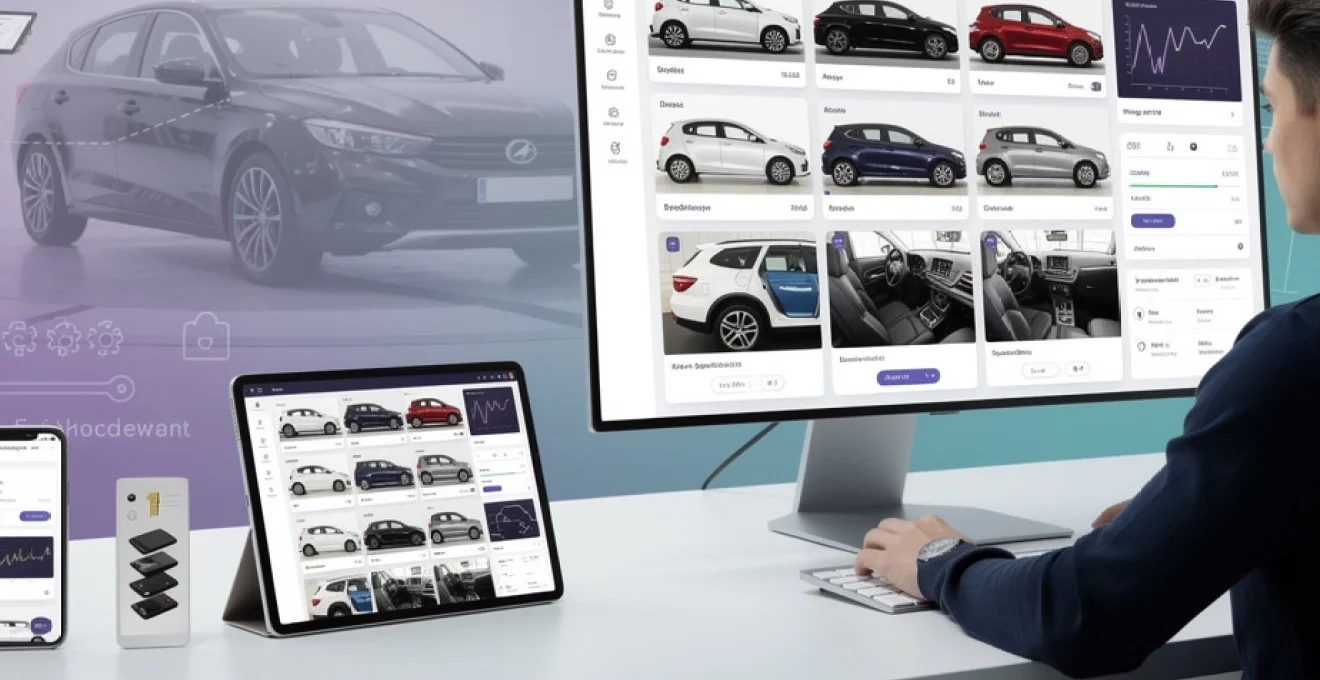
The digital transformation of the automotive retail sector has fundamentally altered how consumers approach used car purchasing, with online platforms like Cinch positioning themselves as revolutionary alternatives to traditional dealership experiences. As car buyers increasingly seek convenience, transparency, and competitive pricing, understanding whether these digital-first companies deliver on their promises becomes crucial for making informed purchasing decisions. The emergence of home delivery services, comprehensive online inspections, and money-back guarantees represents a significant shift in consumer expectations, yet questions remain about the quality of vehicles, customer service standards, and overall value proposition these platforms provide.
Cinch digital platform analysis: user interface and vehicle search functionality
Cinch’s digital platform represents a comprehensive approach to online vehicle retail, featuring an intuitive interface designed to streamline the car buying process from initial search to final purchase. The platform’s architecture prioritises user experience through clean navigation, responsive design elements, and strategically positioned call-to-action buttons that guide customers through their purchasing journey without overwhelming them with unnecessary complexity.
Advanced filtering systems for make, model, and specification parameters
The filtering capabilities within Cinch’s search functionality demonstrate sophisticated database management, allowing users to narrow their selections based on multiple criteria simultaneously. Customers can refine their searches using parameters including price range, mileage thresholds, fuel type, transmission preferences, and specific model years. The system’s ability to process complex queries whilst maintaining fast response times indicates robust backend infrastructure designed to handle high-volume traffic effectively.
Advanced users appreciate the granular control offered through additional filters such as engine size, CO2 emissions, insurance group classifications, and previous owner history. These detailed parameters enable buyers to make informed decisions based on their specific requirements, whether prioritising fuel efficiency, performance characteristics, or insurance cost considerations.
360-degree vehicle inspection technology and High-Resolution imagery
Cinch’s visual presentation technology addresses one of the primary concerns associated with online vehicle purchasing: the inability to physically inspect cars before buying. The platform utilises high-resolution photography combined with 360-degree interior and exterior views, providing customers with comprehensive visual access to vehicle conditions. This technology enables detailed examination of paintwork, interior wear patterns, and overall vehicle presentation standards.
The implementation of zoom functionality allows prospective buyers to scrutinise specific areas of concern, from minor scratches to upholstery conditions. However, customer feedback suggests that photographic quality can vary between vehicles, with some listings featuring more comprehensive documentation than others, potentially creating inconsistent user experiences across the platform.
Mobile application performance and Cross-Platform compatibility
The mobile application maintains functionality parity with the desktop version whilst optimising interface elements for smaller screens and touch-based navigation. Performance metrics indicate fast loading times and smooth transitions between sections, though some users report occasional synchronisation delays when switching between devices during extended browsing sessions.
Cross-platform compatibility ensures consistent user experiences across iOS, Android, and web browsers, with saved searches and favourited vehicles synchronising seamlessly. The application’s offline capabilities allow users to review previously viewed listings without internet connectivity, enhancing usability during commutes or in areas with limited network coverage.
Real-time inventory updates and stock management systems
Inventory management represents a critical component of Cinch’s operational efficiency, with real-time updates preventing the common issue of customers pursuing vehicles that have already been sold. The system’s integration with multiple data sources ensures accurate availability information, though occasional discrepancies can occur during high-traffic periods when multiple customers simultaneously express interest in popular vehicles.
Stock rotation patterns indicate regular inventory refreshment, with new additions appearing frequently across various price segments and vehicle categories. This continuous influx suggests strong supplier relationships and effective procurement strategies, though some customers note that particularly desirable vehicles may disappear quickly from the platform.
Cinch quality assurance standards: Multi-Point inspection protocols
Quality assurance represents perhaps the most critical aspect of Cinch’s value proposition, as customers must trust that vehicles meet advertised standards without the opportunity for pre-purchase physical inspection. The company’s multi-point inspection protocols are designed to identify mechanical, cosmetic, and safety issues that could affect vehicle performance or buyer satisfaction, though the effectiveness of these procedures varies significantly based on customer experiences documented across review platforms.
Comprehensive mechanical inspection checklist and diagnostic testing
Cinch states that every used car undergoes a structured mechanical inspection before it appears on the site, typically framed as a multi-point checklist that covers engine, transmission, suspension, steering, brakes, and exhaust systems. In practice, this usually involves visual checks, fluid level assessments, road testing, and plugging the car into diagnostic equipment to scan for stored fault codes. For many buyers, especially those upgrading from much older vehicles, this level of pre-screening can feel reassuring compared with buying privately where no such checks are guaranteed.
However, verified customer reviews show a mixed picture of how consistently this process is applied. A significant proportion of buyers report receiving cars that drove well from day one, with no warning lights or mechanical surprises and no need for early warranty claims. On the other hand, there are multiple accounts of vehicles arriving with engine management lights illuminated, transmission faults, TPMS errors, or unresolved electrical issues within the first few miles. This suggests that while a mechanical checklist exists on paper, its real-world execution and quality control may vary between vehicles and inspection centres.
For risk-averse buyers, a pragmatic approach is to treat Cinch’s mechanical inspection as a first filter rather than a final guarantee. If you decide to buy a used car entirely online, it is wise to schedule your own independent inspection or at least a basic diagnostic and safety check with a trusted local garage within the first few days. Should a fault be discovered, you will still be within the money-back guarantee period and protected by your statutory rights, giving you leverage either to return the car or insist on a prompt, documented repair.
Bodywork assessment and paint quality verification processes
Cosmetic condition is a major concern when you cannot walk around a car before purchase, so Cinch’s advertised bodywork assessment is central to its proposition. Cars are typically checked for panel alignment, paint mismatches, corrosion, obvious accident repairs, and visible dents or scratches. In theory, anything outside what Cinch deems “fair wear and tear” for the car’s age and mileage should either be rectified before listing or clearly disclosed in the description and photography.
In many positive reviews, customers note that the vehicle’s paintwork and exterior condition were “as described” or even better than expected from the online listing. Cars often arrive fully valeted, with minor marks in line with a used vehicle but nothing structurally concerning. Yet there are also recurring complaints about undisclosed body defects: deep scratches, poorly repaired scuffs, rust on seat mountings and underbody components, and even damaged suspension components that should have been flagged or repaired before sale.
Because bodywork standards are inherently subjective, buyers should interpret Cinch’s claims in the context of age and price bracket. A nearly new leasing return with low mileage should be very close to pristine; a five-year-old family SUV at a budget price point is likely to have more visible wear. When in doubt, use the 360-degree imagery and zoom features to inspect high-risk areas such as bumpers, wheel arches, door edges, and alloy wheels, and be prepared to challenge anything that clearly contradicts the “imperfection” notes once the car arrives.
Interior condition evaluation and electronic systems diagnostics
Interior condition and in-car technology performance are increasingly important for modern buyers, particularly where infotainment, driver assistance systems, and climate controls play a daily role. Cinch’s inspection process typically covers seat upholstery, carpets, trim, seat belts, and major interior controls, alongside functional checks of air conditioning, infotainment screens, navigation, parking sensors, and driver aids. The goal is to ensure that the cabin matches the online description and that electronic systems operate as intended.
Again, real-world experiences vary. Many customers praise the cleanliness of the interiors, remarking that cars arrived “immaculate” or better than expected, with infotainment and electronics functioning correctly. However, a notable subset of reviews highlight issues such as ingrained odours from cigarette smoke, mould on seats or headlining, spilled drinks left on centre consoles and screens, and warning lights triggered by malfunctioning sensors or steering wheel buttons. These problems not only undermine trust in the inspection but also make the first days of ownership more stressful than “faff-free”.
If you are sensitive to odours or plan to transport children or vulnerable passengers, it is sensible to check the interior thoroughly on delivery day. Open all doors, inspect the roof lining, cupholders, and under-seat areas, and test every major control: windows, mirrors, infotainment, climate settings, and safety systems. Any issues should be photographed immediately and reported in writing, ideally within the platform’s stated time frame for cosmetic disputes, so there is a clear record if you choose to return the car or request remedial work.
Independent third-party verification and AA inspection certification
Unlike some broker-style platforms that rely entirely on partner dealers, Cinch holds and prepares its own stock, and it references third-party standards such as RAC breakdown assistance and, in some cases, independent inspection protocols. Across the wider online used car market, schemes involving the AA or RAC often include structured multi-point checks and branded certificates, giving buyers tangible evidence that an external body has inspected the vehicle. These can be reassuring, especially for those unfamiliar with interpreting vehicle history reports and MOT records.
That said, not every Cinch vehicle is accompanied by a visible third-party inspection report on the listing page, and customers do not always receive detailed documentation outlining precisely what has been checked and when. This opacity can make it hard to compare used car quality directly with platforms that explicitly advertise AA or RAC inspections and show digital copies of the reports. In addition, a number of critical reviews suggest that faults which should have been identified by any competent inspection were missed.
For buyers who want an extra layer of assurance, it can be worth asking Cinch in advance whether a specific car has been independently inspected and requesting any available reports or checklists. If such documents are not available, you can still cross-reference the car’s MOT history via official government channels and, if possible, arrange your own independent inspection within the cooling-off window. This belt-and-braces approach may add a small upfront cost, but it significantly reduces the likelihood of expensive surprises once warranty coverage expires.
Cinch pricing strategy versus competitors: AutoTrader, motors.co.uk, and CarGurus
Price is often the deciding factor when choosing where to buy a used car, so comparing Cinch against major competitors like AutoTrader, Motors.co.uk, and CarGurus is essential. Unlike classified marketplaces, where thousands of independent dealers and private sellers set their own prices, Cinch controls pricing centrally for its stock. This means there is no traditional haggling; what you see online is effectively the final price, aside from any optional extras such as extended warranties or paint protection products.
On mainstream models with good supply, Cinch’s prices are sometimes lower than high-street franchised dealers and can rival large car supermarkets, especially when factoring in home delivery and the money-back guarantee. Several satisfied customers mention that equivalent cars at franchise dealers were £500–£1,000 more expensive for similar mileage and specification. However, because the platform bundles convenience and perceived peace of mind into its proposition, some listings do carry a small premium over private sales or less “polished” dealer offerings on AutoTrader or Motors.co.uk.
CarGurus and AutoTrader introduce their own price-rating tools (for example, “Great Price” or “High Price”) based on market data, which can help you benchmark Cinch’s listings. A practical strategy is to identify the exact make, model, year, mileage, and trim level you are considering on Cinch, then search across rival platforms using identical filters. If you repeatedly see cheaper equivalents at reputable dealers with strong reviews, Cinch’s convenience might be costing you a noticeable premium. Conversely, when the platform undercuts or matches the wider market, the combination of pricing, delivery, and clear returns rights becomes more compelling.
Ultimately, whether Cinch is “good value” depends on how you weigh hassle-free buying against the possibility of negotiating a better deal in person. If you enjoy bargaining and are comfortable inspecting a car yourself on a forecourt, traditional dealers or car supermarkets may still edge it on price. If you prefer transparent pricing, clear digital documentation, and the option to return a car without face-to-face confrontation, Cinch’s fixed-price model can represent fair value in the used car marketplace.
Customer experience analysis: purchase journey and post-sale support
The overall customer experience with Cinch is shaped by two distinct phases: the largely digital purchase journey and the more variable post-sale support if something goes wrong. When everything goes smoothly, many buyers describe the process as “seamless”, “hassle free”, and “the easiest car purchase” they have ever made. Yet a substantial minority report frustration with delays, communication gaps, and slow resolution of faults, particularly where warranty claims, refunds, or complaint escalations are involved.
Understanding this contrast is crucial if you are deciding whether to commit thousands of pounds to a used car you have never seen. The front-end buying journey—searching, applying for finance, booking delivery—is highly polished and designed to be intuitive even for first-time online car buyers. The back-end processes—coordinating repairs with third-party garages, managing returns logistics, issuing timely refunds—can be more complex and occasionally disjointed, as evidenced by multiple negative reviews.
Online purchase process and digital documentation requirements
Cinch’s online purchase process is similar to ordering any high-value product from an e‑commerce site, but with some additional steps for finance and regulatory compliance. You start by choosing a car, then either paying outright or applying for finance such as PCP or Hire Purchase within the same interface. Soft credit checks, formal applications, and digital signatures are all handled online, with clear prompts for necessary documentation such as driving licence details, proof of address, and, where relevant, employment information.
Once finance approval is secured, you select a delivery or collection slot, agree to the terms and conditions, and pay any deposit or admin fee required. Many buyers appreciate the transparency of seeing all costs itemised upfront without a salesperson adding optional extras at the last minute. Digital documentation, including the order summary, finance agreement, and any warranty details, is typically emailed for your records, making it easier to review key terms at your own pace rather than under showroom pressure.
However, the convenience of a fully digital process also places more responsibility on you to read the small print. Before clicking “agree”, it is worth checking how the 14-day money-back guarantee interacts with your statutory 30‑day right to reject a faulty car, what conditions apply to mileage limits during the trial period, and how part-exchange valuations are handled if you later decide to return the vehicle. Treat the process like signing a mortgage rather than ordering a pair of shoes: pause, read, and save copies of everything.
Home delivery service coverage areas and logistics management
Home delivery is one of Cinch’s headline benefits, effectively turning car buying into an at-home experience. The company typically offers coverage across most of mainland UK, with customers able to choose specific delivery windows—morning or afternoon slots on selected days. Many reviewers praise the professionalism of delivery drivers, noting that they call ahead, arrive within the agreed time frame, and spend time explaining basic controls, paperwork, and what to do if they spot an issue during the first drive.
Several positive reviews highlight named drivers who provided friendly, thorough handovers and answered questions patiently. This human touch often offsets the anxiety of buying a used car online, as the delivery driver becomes the only person you meet in the whole transaction. That said, there are also reports of last-minute cancellations, vehicles arriving days later than planned, and communication breakdowns where customers were not informed of changes until the night before—or on—the scheduled delivery date.
Because logistics can be affected by mechanical issues en route, workshop backlogs, and transport scheduling, it is wise to allow some flexibility around your chosen delivery slot. Avoid booking critical appointments or travel for the same day, and keep an eye on text and email updates in the 24 hours leading up to delivery. If your car is delayed, ask for written confirmation of the revised date, and clarify whether any temporary transport or compensation is available, especially if you have already sold or part-exchanged your previous vehicle.
7-day money-back guarantee terms and return procedures
Cinch promotes a money-back guarantee (historically 14 days, though always check the current terms) as a cornerstone of its proposition, allowing you to return the car for a full refund if you change your mind. This operates alongside your UK consumer rights, including the right to reject a faulty vehicle within 30 days under the Consumer Rights Act when buying from a dealer. The practical impact is that you have a clear, time-limited window to drive the car, test all features, and obtain an independent inspection without committing long term.
In theory, returning a car is straightforward: you contact customer support, arrange a collection date, ensure the car is in essentially the same condition (allowing for reasonable mileage and wear), and wait for your refund or finance unwinding. Some reviewers have successfully exercised this right with minimal friction, praising Cinch for collecting the car promptly and processing refunds in a reasonable timeframe. For buyers who are cautious about unseen cars, this cooling-off period is a key part of the platform’s appeal.
However, a notable number of dissatisfied customers describe slow or opaque refund processes, particularly where large cash payments or finance settlements are involved. Delays of several days to weeks have been reported, sometimes requiring repeated chasing and contact with finance providers. If you plan to use the guarantee as a safety net, it is prudent to keep alternative transport options available and avoid locking all your funds into the transaction until the refund is confirmed in your account. Document all communication about returns, including dates, promised timeframes, and any reference numbers.
Warranty provisions and extended protection plan options
Every Cinch used car comes with a standard warranty—commonly a 90‑day policy that covers key mechanical and electrical components outside of normal wear and tear, along with at least six months’ MOT. This is backed by breakdown assistance from partners such as the RAC, providing basic peace of mind if the car breaks down shortly after purchase. Beyond this initial period, Cinch offers extended warranty products and cosmetic protection options like cinchCover and cinchShield for buyers who want longer-term cover against unexpected repair costs and cosmetic damage.
For many mainstream motorists who drive average mileages and keep cars for three to five years, these extended plans can offer a degree of budgeting certainty, similar to manufacturer-backed used car schemes. However, the small print matters: most aftermarket warranties exclude wear items (tyres, brakes, clutches), impose claim limits, and require you to follow strict servicing schedules at approved garages. There are also documented cases where buyers discovered that using the vehicle for certain purposes—such as transporting looked-after children—voided the warranty, despite having discussed their use case upfront.
Before opting for extended protection, weigh the monthly cost against the car’s age, mileage, reliability reputation, and your willingness to self-insure smaller repairs. It is also wise to compare Cinch’s warranty terms with independent products from well-known warranty providers, as coverage levels and claim processes can differ. Whatever you choose, ensure that you understand how warranty claims are initiated, whether you can use your own local garage, and how authorisations are handled—details that can make a big difference when you are dealing with a fault under time pressure.
Verified customer reviews: trustpilot ratings and transaction experiences
One of the strongest signals about whether Cinch is a good place to buy a used car comes from verified customer reviews on platforms like Trustpilot and independent car review sites. Overall ratings for Cinch are generally positive, with many customers awarding four or five stars and highlighting smooth online processes, friendly staff, and cars that arrive in the expected condition. The company also responds publicly to the vast majority of negative reviews, often within 24 hours, which indicates an active reputation management strategy.
Positive feedback typically centres on ease and speed: users describe finding a car in the morning, getting a part-exchange valuation within minutes, and collecting or receiving the vehicle later the same day. Others praise individual team members by name for clear explanations, no-pressure sales conversations, and helpful follow-up emails summarising key points. Many buyers note that the price they paid was competitive compared with local dealers and that the ability to test a car over several days on familiar roads was more valuable than a short dealer test drive.
However, negative reviews reveal patterns that prospective buyers should take seriously. Common themes include cars arriving with undisclosed faults (engine management lights, gearbox issues, faulty sensors), inconsistent valeting standards, cancelled or delayed deliveries, and slow complaint handling. Some reviewers describe lengthy sagas involving repeated repair attempts, miscommunication between Cinch and garages, and broken promises about callbacks or updates. In a few cases, customers were left paying finance on cars they could not use while waiting for refunds or resolutions.
How should you interpret this mixed picture? No large used car operation will ever have a flawless record—mechanical failures and human error are unavoidable—but what matters is how frequently issues occur and how effectively they are resolved. When reading reviews, look beyond the star rating to the substance: are problems isolated one-offs, or do you see the same themes repeated over months? Do responses from Cinch address specifics and offer solutions, or rely on generic apologies? This qualitative reading of reviews can be more revealing than any single score.
Financial services integration: PCP finance, hire purchase, and part-exchange valuations
Cinch integrates a full range of financial services into its online journey, aiming to provide a one-stop shop for selecting, funding, and swapping your car. Most listings display representative finance examples for both Personal Contract Purchase (PCP) and Hire Purchase (HP), allowing you to adjust deposit amounts and contract lengths to see how your monthly payments change. Soft search tools mean you can get an idea of likely eligibility without impacting your credit score, which is particularly helpful if you are comparing different models or price brackets.
For many buyers, PCP offers lower monthly payments in exchange for a final balloon payment if they decide to own the car at the end of the term, while HP spreads the full cost across the contract with ownership transferring automatically after the last payment. Cinch’s interface helps you compare these structures in real time, though it still pays to read independent explanations of car finance to understand total borrowing costs and the implications of excess mileage or early termination. You should also compare Cinch’s APRs with offers from your bank or independent lenders to ensure you are not overpaying for the convenience of in-house finance.
Part-exchange functionality is another key element of Cinch’s proposition. You can obtain an instant valuation by entering your current car’s registration, mileage, and basic condition, with the quoted figure then offset against the cost of your new vehicle. Many customers report that these valuations are competitive with high-street trade-in offers and appreciate the simplicity of handing over their old car when the new one is delivered. However, as with any digital valuation tool, the final figure may be adjusted if the vehicle’s true condition differs significantly from your description.
Finally, it is important to recognise that finance agreements add a regulated, contractual layer to your relationship with Cinch. If something goes wrong with the car, you may have recourse not only through the dealer and warranty provider but also via the finance company under Section 75 of the Consumer Credit Act or equivalent protections. Keeping detailed records of all interactions, repair attempts, and inspection reports will strengthen your position if you need to escalate a dispute through your lender, the Motor Ombudsman, or trading standards. Used responsibly, Cinch’s integrated finance and part-exchange tools can make upgrading your car more accessible; used on autopilot, they can lock you into an arrangement that is harder to unwind if issues arise later.