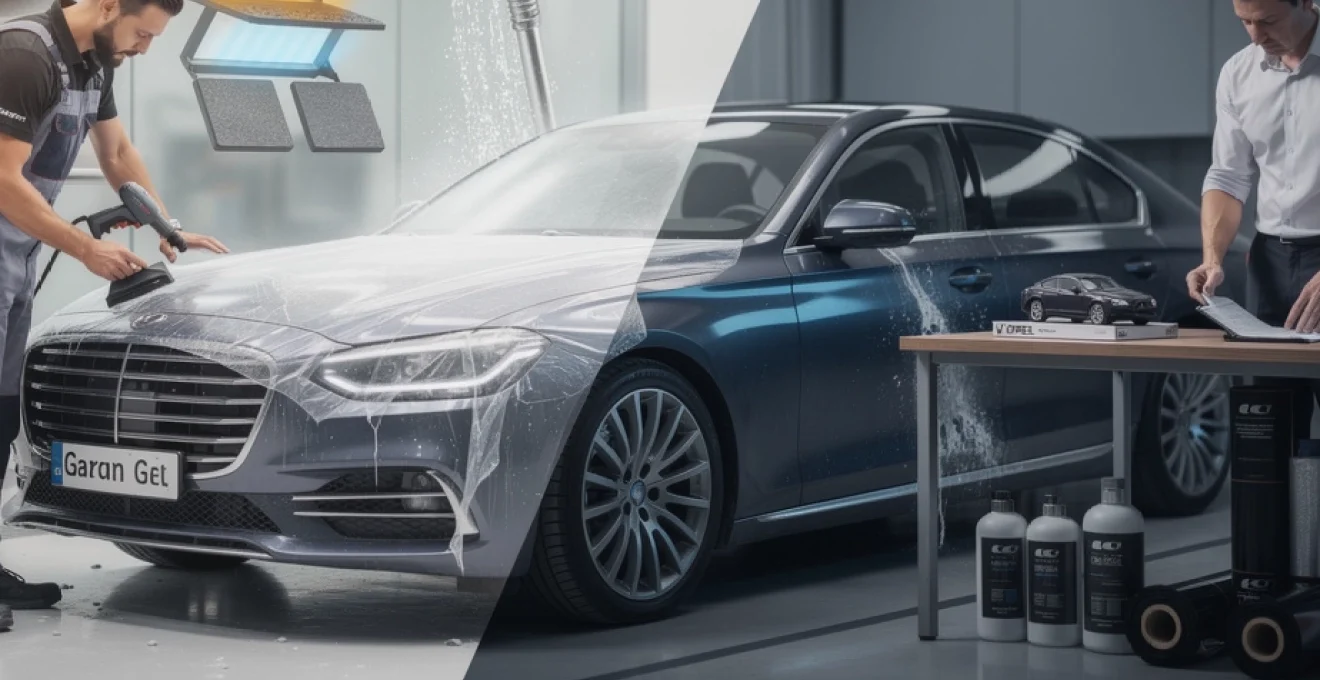
Vehicle paint protection has evolved dramatically over the past decade, with ceramic coatings and paint protection films becoming increasingly sophisticated. GardX represents one of the most widely available paint protection systems in the UK market, offering multiple product tiers from basic ceramic treatments to comprehensive protection packages. The automotive aftermarket industry has seen exponential growth in paint protection services, with consumers increasingly aware of preserving their vehicle’s aesthetic and financial value.
Understanding whether GardX represents good value requires examining its technical specifications, real-world performance, and comparing it against alternative solutions. The protection industry generates over £2 billion annually in the UK alone, yet consumer satisfaction varies significantly based on application quality, product selection, and realistic expectations. Many vehicle owners find themselves questioning whether the investment justifies the promised benefits, particularly when considering the substantial upfront costs involved.
Gardx paint protection film technology and application process
Multi-layer thermoplastic polyurethane construction analysis
GardX paint protection films utilise advanced thermoplastic polyurethane construction, featuring multiple distinct layers engineered for specific protective functions. The topmost layer provides scratch resistance and self-healing properties, whilst the adhesive layer ensures long-term bonding without paint damage upon removal. This sophisticated construction differentiates quality protection films from cheaper alternatives that may use single-layer materials with limited durability characteristics.
The film’s optical clarity ranks amongst the highest in the industry, with light transmission rates exceeding 99.2%. This transparency ensures that the protective layer remains virtually invisible once applied, maintaining the vehicle’s original aesthetic appeal. The thermoplastic properties allow the material to conform to complex curves and contours, making it suitable for modern vehicle designs with intricate bodywork details.
Self-healing clear coat properties and activation temperature
The self-healing technology embedded within GardX films activates at temperatures as low as 60°C, allowing minor scratches and swirl marks to disappear through heat exposure. This can occur naturally through sunlight exposure or artificially using warm water or a hair dryer. The healing process works by enabling the polymer chains to flow and fill microscopic damage, effectively erasing surface imperfections that would otherwise require polishing to remove.
Laboratory testing demonstrates that scratches up to 10 microns deep can be eliminated through the self-healing process, though deeper gouges exceeding this threshold will remain permanent. The healing capability diminishes over time as the film ages, typically maintaining effectiveness for 3-5 years depending on environmental exposure and maintenance practices.
Professional installation vs. DIY kit application methods
Professional installation requires specialised equipment including heat guns, squeegees, and tack solutions to achieve optimal results. Certified installers undergo extensive training to master techniques such as wet application, edge sealing, and heat activation. The controlled environment of professional workshops eliminates contamination risks that can compromise adhesion and optical clarity.
DIY installation kits provide a more affordable alternative but come with significant limitations. Home application typically results in visible edges, trapped air bubbles, and suboptimal adhesion due to inadequate surface preparation. The learning curve is steep, with first-time applicators frequently experiencing disappointing results that may require professional correction or complete re-application.
Surface preparation and primer adhesion requirements
Proper surface preparation involves thorough decontamination using clay bars, followed by paint correction to eliminate existing scratches and swirl marks. Any imperfections present during application become permanently sealed beneath the film, making pre-application correction crucial for achieving satisfactory results. The paint surface must achieve a specific level of cleanliness, typically requiring isopropyl alcohol treatment to remove all residual oils and contaminants.
Primer adhesion promoters may be necessary for certain paint types, particularly metallic finishes or recently repaired surfaces. These chemical treatments enhance the bond between the film’s adhesive layer and the vehicle’s clear coat, reducing the risk of edge lifting or premature failure. The curing process requires 24-48 hours before the vehicle can be exposed to moisture or extreme temperatures.
Cost-benefit analysis of GardX investment vs. alternative paint protection solutions
Initial investment costs compared to ceramic pro and XPEL offerings
The upfront cost of GardX paint protection varies depending on whether you purchase it as a dealer add-on or through an independent installer. Main dealers frequently bundle GardX into finance packages at headline prices between £500 and £900 for a full exterior and interior treatment, though the actual product cost to the dealership is significantly lower. This margin is typical of dealership-applied paint protection systems, where convenience and perceived peace of mind are leveraged to justify the premium.
When comparing GardX vs. Ceramic Pro or XPEL, it is important to distinguish between ceramic coatings and true paint protection film (PPF). High-end Ceramic Pro packages applied by accredited detailers commonly range from £700 to £1,500 depending on correction stages and the number of layers. XPEL PPF, particularly for full front-end or full-vehicle coverage, can start at around £1,500 and rise to £4,000+ on large or complex vehicles. On a pure cost basis, dealer-applied GardX often sits at the lower end of the professional market, but the value proposition is heavily dependent on the quality of preparation and installation.
For budget-conscious owners, there are also DIY ceramic coating kits and sealants available for £50–£200, though they typically offer lower durability and require significant time investment. The decision therefore becomes less about whether GardX is cheaper or more expensive in absolute terms, and more about whether the package you are offered delivers equivalent preparation quality and longevity to other paint protection solutions in the same price band. If your dealer is simply “washing and applying” GardX in under an hour, the price premium becomes far harder to justify.
Long-term maintenance expenses and replacement intervals
Beyond the initial purchase, ongoing maintenance has a direct impact on the true cost of GardX paint protection. GardX ceramic coatings and protection films are often marketed with “lifetime” or long-term guarantees, but these usually assume that you follow very specific wash routines and use compatible shampoos or top-up products. In practical terms, many owners find that the hydrophobic and gloss-enhancing effects begin to diminish noticeably after 3–5 years, particularly on daily-driven vehicles stored outdoors.
If you opt for GardX PPF, most installers suggest a practical lifespan of 5–7 years before discolouration, minor lifting, or surface etching may justify panel replacement. At that point, you will incur not only the cost of new film, but also removal labour, which can be significant on large panels. By comparison, established brands such as XPEL and SunTek typically quote similar replacement intervals, but often back them with more transparent written warranties and widely documented performance data.
Routine maintenance costs for a GardX-protected car are not necessarily higher than for a non-protected vehicle, but there are some nuances. Use of harsh detergents, automatic car washes, or abrasive polishes can degrade the coating or film prematurely, effectively shortening its life and undercutting the return on investment. To preserve the protection, you may need to budget for periodic decontamination washes or professional valets using compatible products, adding perhaps £150–£300 per year if you outsource this rather than maintaining the car yourself.
Resale value impact on premium vehicle brands
One of the most common claims in GardX marketing is improved resale value, particularly on premium brands such as Mercedes-Benz, BMW, Audi, Porsche, and Tesla. In theory, a high-quality paint protection system helps your car retain a “showroom finish” for longer, reducing swirl marks, clear-coat failure, and minor etching. For buyers in the used market, a visually pristine exterior can be a powerful signal that the car has been well cared for, potentially easing the sales process and supporting a higher asking price.
However, real-world data suggests that paint protection alone rarely adds a fixed monetary premium at resale in the same way that factory options or low mileage do. Instead, it tends to reduce the need for pre-sale paint correction, smart repairs, or bumper resprays, thereby lowering your costs when you come to sell or part-exchange. For PCP and lease customers, keeping the paintwork in better condition can help avoid end-of-contract damage charges, especially on dark-coloured vehicles where swirl marks and holograms are more visible.
On high-value sports cars and luxury vehicles, a properly documented PPF installation by a respected brand can sometimes become a selling feature. Prospective buyers may be reassured by invoices and installer guarantees from well-known detailers. In contrast, dealer-applied GardX without demonstrable preparation records tends to carry less weight; buyers may assume it is no better than any other dealer-applied sealant. As such, GardX can support resale value indirectly through improved condition, but it is unlikely to transform the book value of your car on its own.
Insurance premium reductions and coverage considerations
Many owners ask whether GardX paint protection can reduce their insurance premiums. At present, most mainstream UK insurers do not offer explicit discounts for ceramic coatings or paint protection films, regarding them as cosmetic enhancements rather than security or safety upgrades. In some cases, full-vehicle PPF or distinctive wraps may even need to be declared as a modification to avoid potential disputes in the event of a claim.
Where GardX can have an insurance-related impact is in the ancillary policies sold alongside the main protection, such as cosmetic repair insurance, alloy wheel insurance, and tyre and puncture cover. GardX-branded cosmetic maintenance plans typically promise to cover minor scuffs, stone chips, and wheel damage over a 2–3 year period, but customer feedback suggests that claim approval can sometimes be challenging. Policyholders have reported strict interpretation of wording, demands for extensive photographic evidence, and reclassification of seemingly minor damage as “too severe” for smart repair.
Before relying on any potential insurance savings, you should read the policy documents carefully, paying particular attention to claim limits, per-incident excess, and exclusion clauses around stone chips, corrosion, or unapproved repairs. If you are primarily interested in protecting against cosmetic damage from daily driving, it may be more cost-effective to self-insure by setting aside a similar amount of money for ad-hoc repairs at a reputable body shop or smart repair specialist.
Gardx performance durability against environmental hazards
Stone chip resistance testing results and ASTM standards
When judging whether GardX is worth it, resistance to stone chips is a key consideration for UK drivers who spend time on motorways or rural roads. High-quality thermoplastic polyurethane films are specifically engineered to absorb the kinetic energy of small stones and debris, preventing them from chipping the underlying paint. While GardX does not publish detailed public test reports in the same way that some competitors do, most modern PPF products are evaluated against industry standards such as ASTM D3170 (chip resistance of coatings) and related impact tests.
In practical terms, a correctly installed GardX paint protection film can dramatically reduce visible stone chips on high-impact areas such as the front bumper, bonnet leading edge, mirror caps, and sills. However, it is not a force field; at high speeds or with larger debris, you may still experience deformation or even penetration of the film. Think of it as a sacrificial shield: the film takes the damage that would otherwise mark your factory paint, and can later be replaced on individual panels if necessary.
Compared with ceramic coatings alone, which offer almost no meaningful impact resistance, GardX PPF provides a tangible improvement in stone chip protection. The main caveat is coverage: if only selected panels are protected to save cost, unprotected areas will still chip in the usual way, which may be noticeable over time. For heavy motorway users, a full front-end package or extended coverage of vulnerable zones is generally advisable for optimal cost-to-benefit ratio.
UV degradation protection and colour fade prevention
Ultraviolet (UV) exposure is one of the primary causes of long-term clear-coat degradation and colour fade, especially on red, blue, and other vibrant hues. GardX coatings and films incorporate UV inhibitors designed to filter or reflect a significant portion of the harmful spectrum, thereby slowing the oxidation process. This is particularly relevant for vehicles that live outside year-round, where constant exposure to sunlight would otherwise dull the finish over 5–10 years.
Independent laboratory testing of modern PPF materials against ASTM G154 (UV exposure) and similar protocols generally shows substantial retention of gloss and minimal yellowing over simulated years of exposure. While GardX-specific figures are not widely published, its positioning in the market implies at least parity with other well-known brands. In real-world conditions, owners typically report that GardX-treated vehicles maintain a deeper, more consistent gloss than unprotected counterparts of the same age and mileage.
It is important to note, however, that UV protection is not absolute. If your vehicle is regularly parked in harsh sunlight, particularly in hotter climates than the UK, some degree of fade and clear-coat ageing should still be expected over a decade of ownership. Regular washing, avoidance of aggressive abrasives, and periodic use of compatible top-up products will help the UV inhibitors perform at their best.
Chemical resistance to road salt and industrial pollutants
UK roads are heavily salted during winter months, and urban areas expose vehicles to a cocktail of industrial fallout, brake dust, and acidic pollutants. GardX paint protection aims to create a chemically resistant barrier between these contaminants and your factory clear coat. The dense polymer matrix in ceramic coatings and the inert surface of TPU films both offer improved resistance to etching and staining compared to bare paint.
In controlled testing, many high-quality coatings demonstrate resistance to pH ranges from mildly acidic to mildly alkaline, helping to mitigate damage from road salt solutions, traffic film removers, and environmental fallout. GardX products are marketed as being resistant to acid rain, bird droppings, and tree sap, though owner reports indicate mixed results with particularly aggressive bird lime. If droppings are left for several days in hot conditions, even protected surfaces can suffer etching, albeit usually to a lesser extent than unprotected panels.
To maximise chemical resistance, you still need to wash the vehicle regularly, especially after long journeys on salted roads or in industrial areas. Think of GardX as wearing a quality waterproof jacket: it will keep you dry in most showers, but if you never brush the mud off or repair small tears, performance will decline. Rinsing off salt and contaminants promptly, and using pH-neutral shampoos, will help the protective layer continue to do its job for many years.
Weather extremes performance in UK climate conditions
The UK climate poses a unique combination of challenges for any paint protection system: rapid temperature swings, regular rainfall, occasional snow and ice, and frequent exposure to road grime. GardX PPF and ceramic coatings are designed to remain flexible and stable across a wide temperature range, resisting cracking or peeling in winter cold and softening or discolouration in summer heat. The self-healing layer of the film is particularly responsive in warmer conditions, where light surface marring can disappear after a few minutes in direct sunlight.
During winter, the primary benefit of a GardX-protected car is easier cleaning. Snow, ice, and slush tend to release more readily from a slick, hydrophobic surface, reducing the need for aggressive scrubbing that can introduce swirl marks. In prolonged wet conditions, the beading and sheeting behaviour may slowly diminish as contaminants bond to the surface, which is why periodic decontamination and top-up products can help maintain performance.
From a durability standpoint, the relatively moderate extremes of the UK climate actually favour long-term performance compared to very hot or very cold regions. Provided the car is washed sensibly and not subjected to frequent automatic brush washes, you can expect a well-installed GardX system to provide useful benefits throughout a typical 3–5 year ownership cycle and beyond.
Customer experience analysis and professional installer network quality
GardX’s real-world reputation hinges not just on the chemistry of its products, but on the consistency of its installer network and aftersales support. Because GardX is heavily distributed through franchised dealers, application quality can vary widely from one site to another. Some dealerships employ experienced valeters or dedicated detailers who follow thorough decontamination and preparation steps before applying the coating or film. Others treat it as a high-margin add-on, allocating minimal time and relying on basic wash-and-apply processes.
Customer reviews reflect this inconsistency. Positive experiences often highlight a noticeable deep gloss, improved water beading, and helpful follow-up support from named GardX technicians who are sent out to inspect or reapply coatings when issues arise. In contrast, dissatisfied clients report cars delivered with visible dirt in wheel arches and door shuts, incomplete interior treatments, or no obvious evidence that the product was applied at all. In some cases, owners only became suspicious when the vehicle quickly accumulated road grime like an untreated car, or when no GardX certificate or documentation was provided.
The cosmetic insurance and tyre/alloy plans associated with GardX also draw mixed feedback. Some customers praise swift claim handling, especially when dealing with punctures at partner networks such as Kwik Fit. Others describe long call wait times, shifting eligibility criteria, and claims rejected on technicalities such as driveway access or damage categorisation. These experiences underline the importance of reading the small print and managing expectations about what “minor damage” policies will actually cover in practice.
If you are considering GardX, it is worth asking specific questions of your dealer: who will carry out the application; how long is allocated; what preparation steps are included; and whether you will receive a written warranty and application certificate. Where possible, inspecting another recently treated vehicle on-site or seeking independent detailer reviews in your area can provide additional assurance about local installer quality. Ultimately, a premium protection product applied poorly will never outperform a mid-range solution installed to a meticulous standard.
Gardx warranty coverage limitations and exclusion clauses
Warranty coverage is a central pillar of the GardX value proposition, with many packages promoted as offering “lifetime” protection for as long as you own the vehicle. However, as with any warranty, the value is in the detail. Coverage typically applies to specific defects such as loss of gloss, oxidation, or staining that cannot be removed by authorised cleaning methods, rather than to general wear and tear or physical impact damage. Scratches, stone chips, and panel resprays are usually excluded from the core paint protection guarantee and handled instead through separate cosmetic insurance products, if purchased.
Most GardX warranties require that you follow defined maintenance protocols, which may include avoiding certain harsh chemicals, using approved cleaning products, and not subjecting the vehicle to automatic brush washes. Failure to comply can provide grounds for claim rejection on the basis of improper care. Additionally, if you have bodywork repairs carried out by non-approved repairers without subsequent reapplication of the GardX system, affected areas may fall outside the warranty’s scope.
Cosmetic maintenance plans for paint and alloys come with their own set of exclusion clauses. Common limitations include caps on the number of claims per year, maximum damage size for smart repairs, and rules around location of repairs (for example, requiring off-road parking or a driveway). Customers have reported that cosmetic claims can be declined after initial approval if the damage is later deemed too extensive for on-site repair, or if photo evidence does not meet the insurer’s requirements.
Before treating the warranty as a safety net, you should request a full copy of the terms and conditions and read them carefully. Pay particular attention to sections covering claim procedures, time limits for reporting damage, and any obligations placed on you for ongoing maintenance. If key elements are ambiguous or heavily qualified, it may be prudent to view the warranty as a supplementary benefit rather than the primary reason for purchasing GardX. This mindset will help you assess whether the cost still makes sense once you strip away optimistic marketing language.
Comprehensive drawbacks assessment and performance limitations
No paint protection system is perfect, and GardX is no exception. The most consistent criticism levelled at GardX is not necessarily about the chemistry of its products, but about the gap between marketing promises and typical real-world application. Dealer-applied packages are often sold at a premium price without a corresponding investment in surface preparation, leading to swirl marks, trapped contaminants, or missed areas simply being sealed in under the coating. In these cases, owners may feel that they have paid hundreds of pounds for little more than a basic valet and a layer of sealant.
From a performance perspective, GardX ceramic coatings and PPF offer meaningful improvements in gloss, ease of cleaning, and resistance to minor marring and environmental contaminants. However, they are not scratch-proof, stone-chip-proof, or immune to bird lime etching if contaminants are left for long periods. High expectations fuelled by sales pitches can therefore lead to disappointment when everyday wear and tear still occurs, albeit often to a lesser extent than on unprotected paint.
Another drawback is the relative opacity around technical specifications compared to some specialist brands. Enthusiasts and professional detailers often gravitate towards products such as Gtechniq, Gyeon, Ceramic Pro, or XPEL, which publish detailed data sheets, test results, and clear layer structures. GardX, by contrast, is primarily marketed through dealer networks to mainstream buyers, with less emphasis on granular technical information. For some owners, this lack of transparency makes it harder to compare GardX objectively against competing systems.
Finally, the add-on nature of GardX within the dealer environment can lead to hard-selling tactics. It is frequently bundled into finance deals alongside GAP insurance and tyre/alloy cover, sometimes with limited explanation of what is genuinely essential and what is simply nice to have. For drivers who are happy to wash their cars regularly, use quality shampoos, and perhaps apply their own waxes or coatings, the incremental benefit of GardX may not justify the price asked. In those cases, investing the same budget in a reputable independent detailer, or in occasional professional valets and targeted smart repairs, can deliver equal or greater long-term value.